

Shaiyena Côté Widens the Path for Indigenous Women in Hockey
A proud member of the Temagami First Nation, Shaiyena Côté has big goals for herself and for the sport she loves.
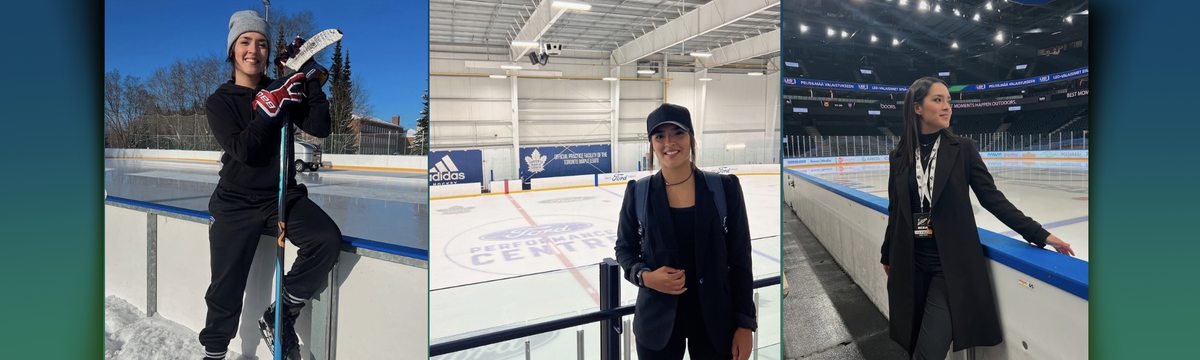
It all started with a poster.
Shaiyena Côté stared at the wall where her mom hung a poster of the Stanley Cup in her room and at four years old declared, “I’m gonna win that one day.”
Like most young Canadians, Côté watched Hockey Night in Canada, snuck into beginners hockey a year early, and played with boys. Although she had to pivot her dream pretty quickly when her mom broke the news that she likely wouldn’t grow tall enough to win Lord Stanley as a player, there were other ways to win the Cup. Her plan remained, but she knew it would have to be through coaching.
“For me, attaining that goal of actually being a coach in the NHL, I've never had the opinion that I couldn't do it, or that it would be hard for me. Growing up, I was raised to not see gender as any sort of obstacle…and that’s for face [too]” Côté says, nodding to her Temagami First Nation roots. “I never saw myself as being different either in that stance of things. I grew up in North Bay and I was one of three kids of color in my graduating class.”
Côté’s family supported her “big-city” goals from the start, including renting a house in Toronto to legally change their address at the start of each high school season so she could play for a higher level girl's hockey team. Her grandparents also saved to help pay for her post-secondary education after high school, believing it leads to more opportunities in life. This was especially important for her grandmother. Côté says, “she was born in an era where women didn't have the opportunity to go to university…in my family, it wasn't 'you were done in high school, go find a trade,' it was 'you're going to pursue an education.'”
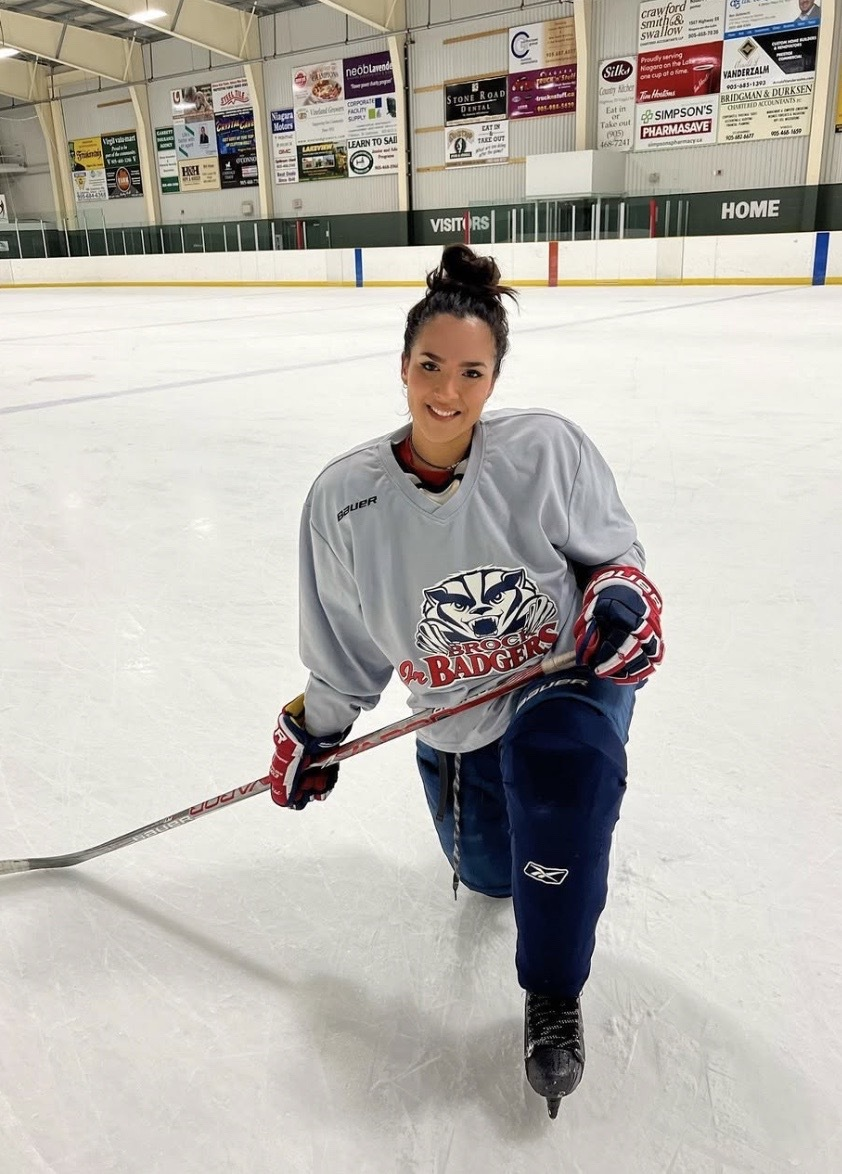
Côté adds, “Another struggle with the Indigenous community is post secondary education. Unfortunately, in Canada, native people are not known for pursuing or even graduating high school.”
However, since Côté’s grandfather, mother, and father (who was also a traditional chief for her First Nations tribe) went to university, she already planned to follow in their footsteps. She applied for Sports Management at Brock University, citing “being a minority in the sector, I want to be as qualified as I can, whether it's academically, whether it's through coaching courses…” Côté says, “...but I want as many qualifications as possible, so that when the time comes for me to apply, it makes it that much harder for teams to deny me a spot. So I just have to be prepared.”
Côté experienced her first push-back right away when she noticed that the few women in the program were “very quickly steered” towards administrative positions, like ticket sales, community development, and sponsorships. The other downside she faced was all of her classes clashed with Brock University's women's hockey practice schedule and the school would not accommodate her. She chose to focus on her academics and future career, but Côté lamented the situation and wondered if her opportunity to play competitive hockey was already over.
"I want as many qualifications as possible, so that when the time comes for me to apply, it makes it that much harder for teams to deny me a spot. So I just have to be prepared"
Always looking ahead, Côté searched where she could pursue her masters, and remembered learning about women’s hockey in Sweden much earlier in her teens.
“We had a gentleman who would run summer hockey programs, and his family was half Swedish. He also worked as an agent, so he actually ended up getting me a contract with a team when I was 15 in Sweden.”
Côté and her family weren’t ready for such a big life adjustment at that age, but she was inspired and set a goal in place.
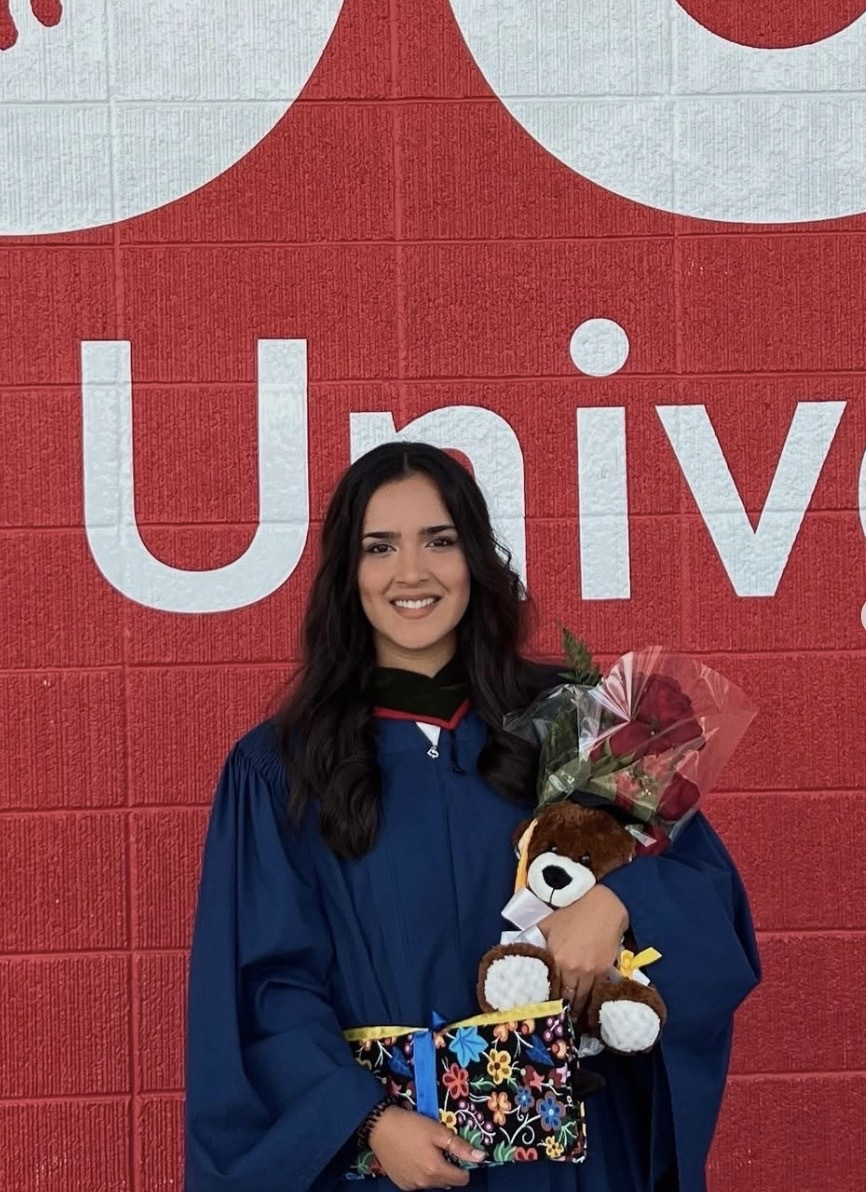
Flash forward with that little nugget about European hockey, Côté applied to Malmö University in southern Sweden, a destination that could expand her cultural horizon and whispered a chance for her to play hockey again.
Côté had such an unwavering commitment to playing that she brought her gear to Sweden before finding a team. “I was 100% incentivized by the fact that I am bringing my gear,” she says, “I told my mom, ‘I am bringing my gear to Sweden with me. I am moving it with me so that every time I leave my room, I'm walking past it, looking at it sitting there, until I find a team.’"
Côté had continued her workouts and practiced on the ice as much as possible for all four years at Brock just in case a future opportunity presented itself. With some luck and a little scouting help, she found her chance with Hvidøre – a Danish Women’s Hockey league team based in Copenhagen that also played in Sweden's second tier league, the Nationella Damhockeyligan (NDHL).
The first few months on the team were unprecedentedly different to anything she’d experienced in North American hockey. Describing the talkative and often “chirpy” vibe of many women’s North American dressing rooms, she says, “this dressing room was so quiet. It was like you could drop a pin in it and you could hear it.”
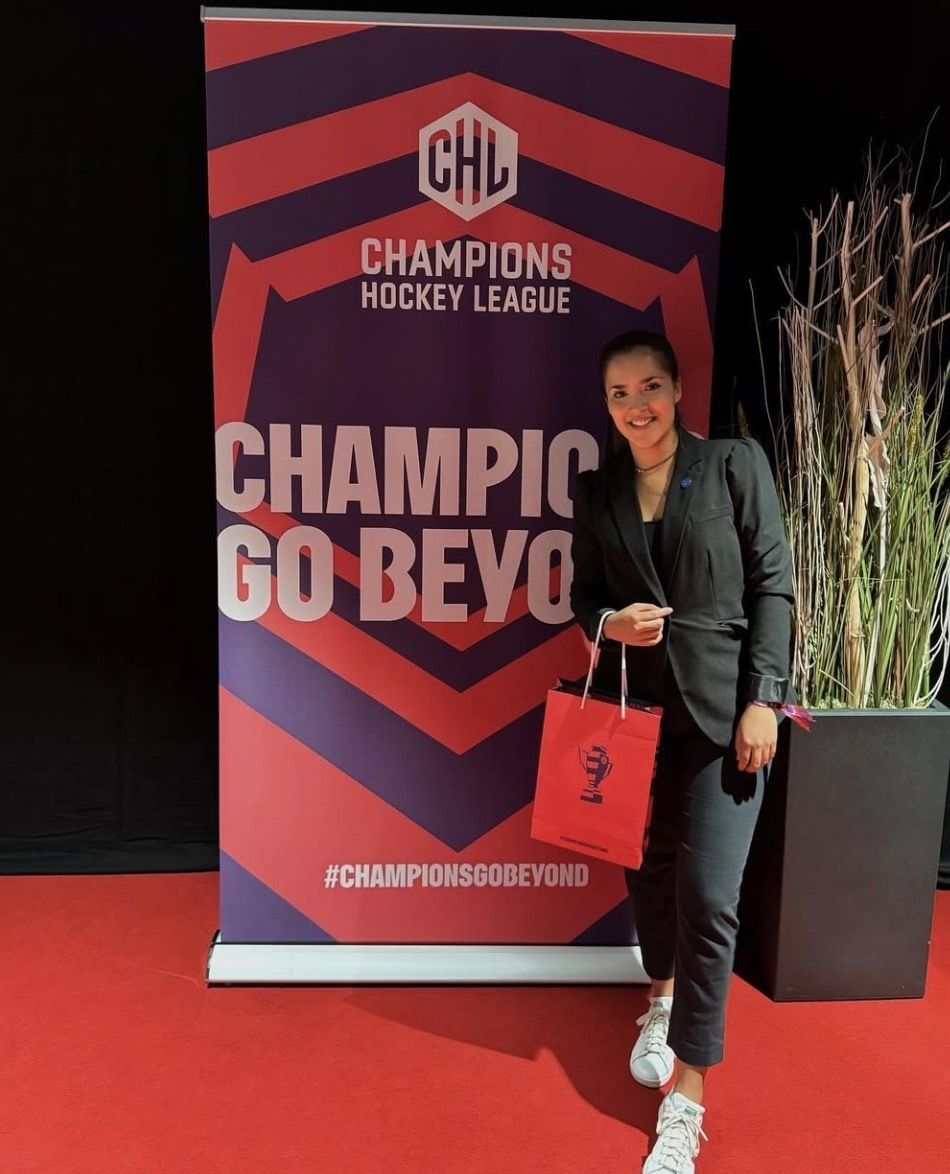
The season was a mental and physical grind between working on her masters thesis, commuting an hour and a half by train ride to and from every practice/game and being the only import on the entire team. Côté says, "the first two months I sat in the dressing room and got so used to just putting on my gear and having no one say anything to me. It was so stressful…I ended up bonding a lot with the younger players on my team and just trying to be a big sister, be a coach, be a good role model, and be supportive.”
Her tenacity and even her love of the game was tested at times, but as we’ve learned so far, it takes more than one dark, Scandinavian winter to pull Côté off her path.
Comments ()