

2026 Olympics Preview: Germany
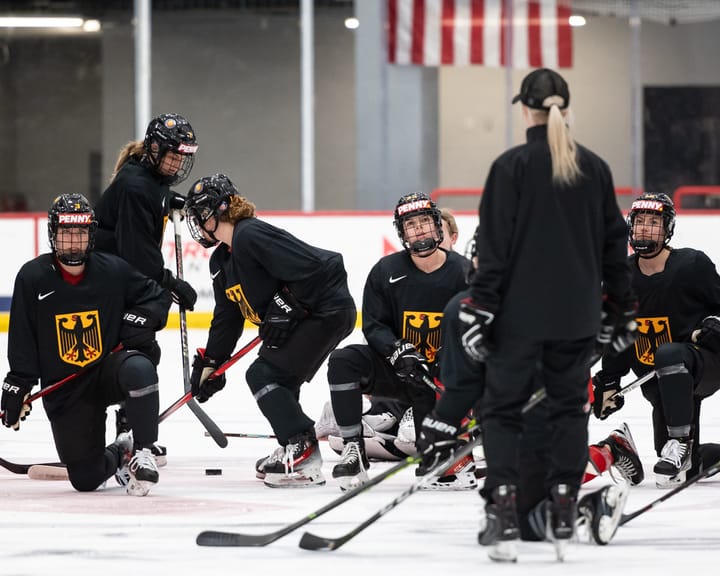
Germany’s return to the Olympics in Milan comes after more than a decade spent rebuilding outside the Games.
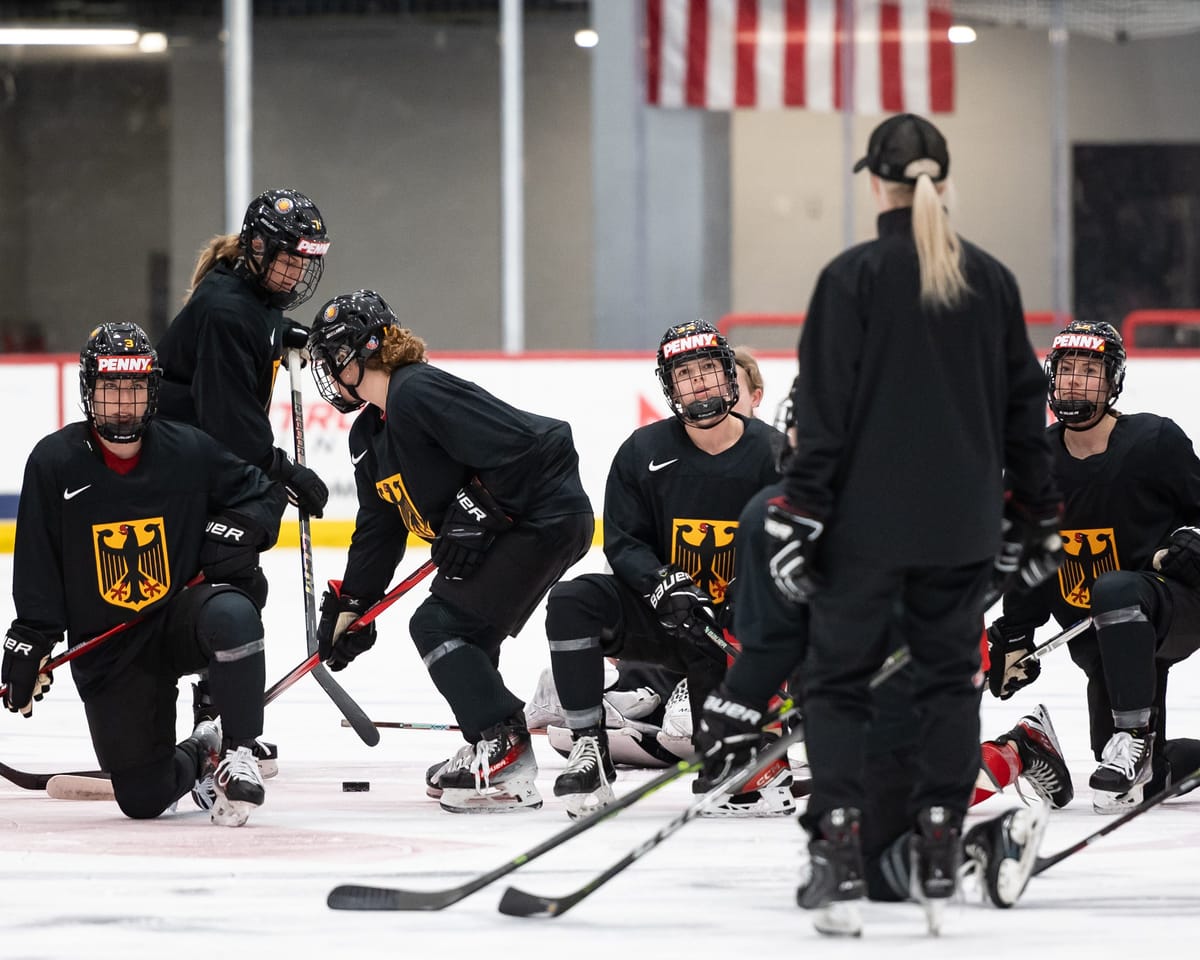
Germany enters the 2026 Winter Olympics still chasing consistency on the sport’s biggest stage. After missing out on the 2022 Games and spending the last cycle rebuilding outside the spotlight, this group arrives in Milan with something to prove. They don’t bring the depth or firepower of the tournament’s top contenders, but Germany has learned how to stay in games, leaning on structure, and elite goaltending. If they can manage mistakes and stay composed early, Germany has a chance to turn close games into meaningful results.
How They Got Here

Germany’s return to the Olympic stage is the result of steady incremental progress rather than a single breakthrough moment. The foundation of the program remains the DFEL, where a large portion of this roster plays meaningful minutes, but Germany has increasingly benefited from players gaining experience abroad. With representation across the NCAA, SDHL, and PWHL, this group arrives in Milan more tested and more comfortable with the pace of elite competition than in previous cycles.
Last Olympics
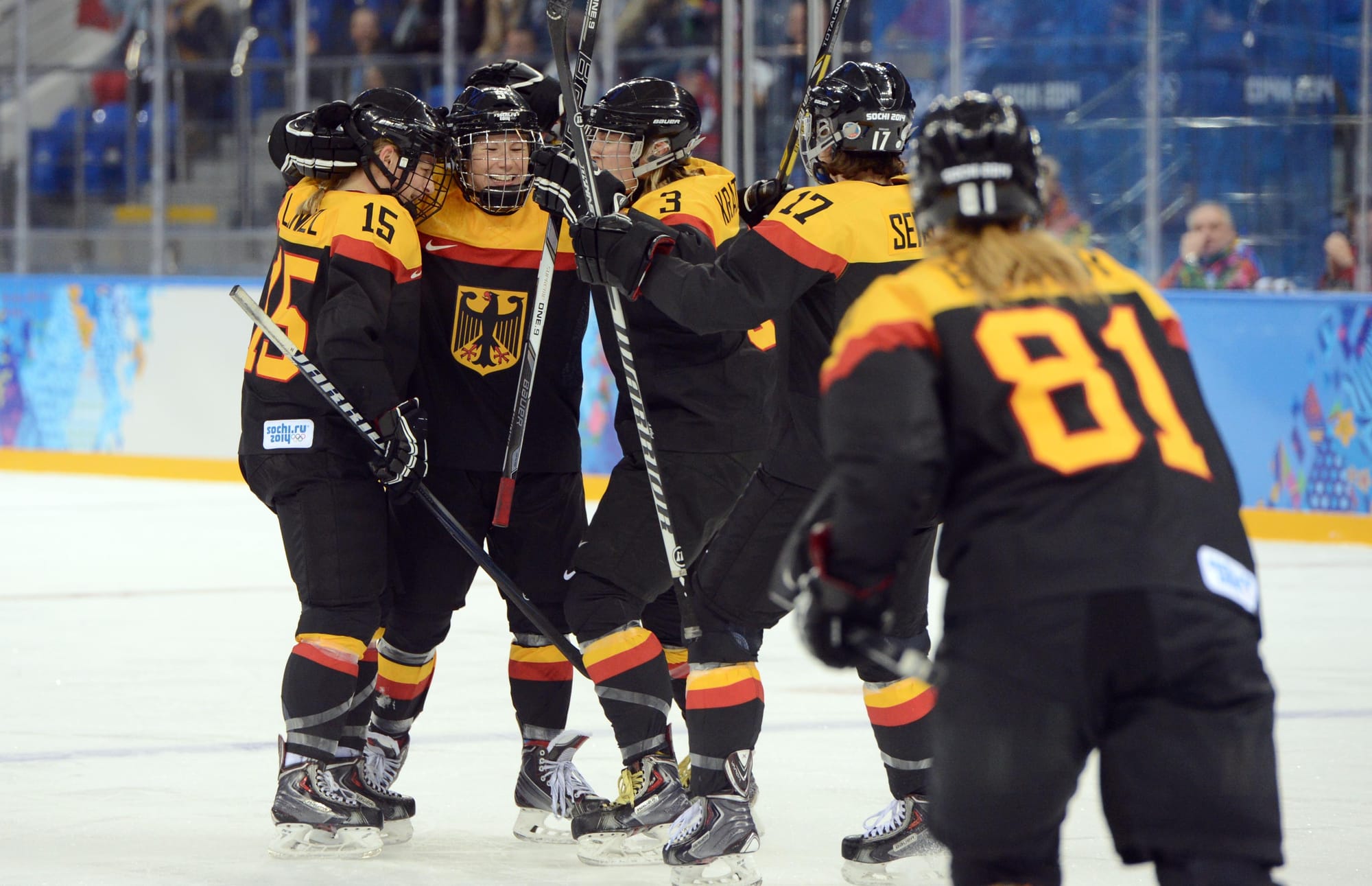
Germany did not qualify for the 2018 or 2022 Winter Olympics, making Milan 2026 their return to Olympic women’s hockey after a 12-year absence. That gap has shaped expectations around the program. In recent World Championship cycles, Germany has consistently competed in the tournament’s middle tier, regularly advancing out of Pool B and pushing higher-ranked opponents into tight games.
Their strongest result came in 2017, when Germany finished fourth at the IIHF Women’s World Championship, and more recently they’ve hovered around the sixth-to-eighth-place range.
With Germany returning to the Olympics for the first time since 2014, Milan will mark a first Olympic appearance for the entire roster, despite many players bringing years of World Championship and professional experience. Rather than chasing immediate medal contention, Germany enters the tournament focused on re-establishing itself as a consistent, competitive presence on the Olympic stage.
Storyline
Germany’s Olympic tournament will be defined by a familiar question: can structure and goaltending keep them competitive against deeper rosters? It’s a question they’ve faced before, and one that remains central to their success.
Drawn into Group B with Sweden, Japan, France, and Italy, Germany finds itself in a group with clear pressure points. Sweden stands as the group’s toughest test, while Japan’s speed and execution will challenge Germany’s ability to manage transitions. France and Italy, meanwhile, represent must-win opportunities if Germany hopes to advance.
Opening the tournament against Sweden on February 5 sets the tone immediately. For Germany, the priority will be staying composed early, limiting defensive-zone time, and avoiding the kind of mistakes that can quickly snowball against stronger opponents.
Players to Watch
Sandra Abstreiter (G, Montréal Victoire – PWHL)
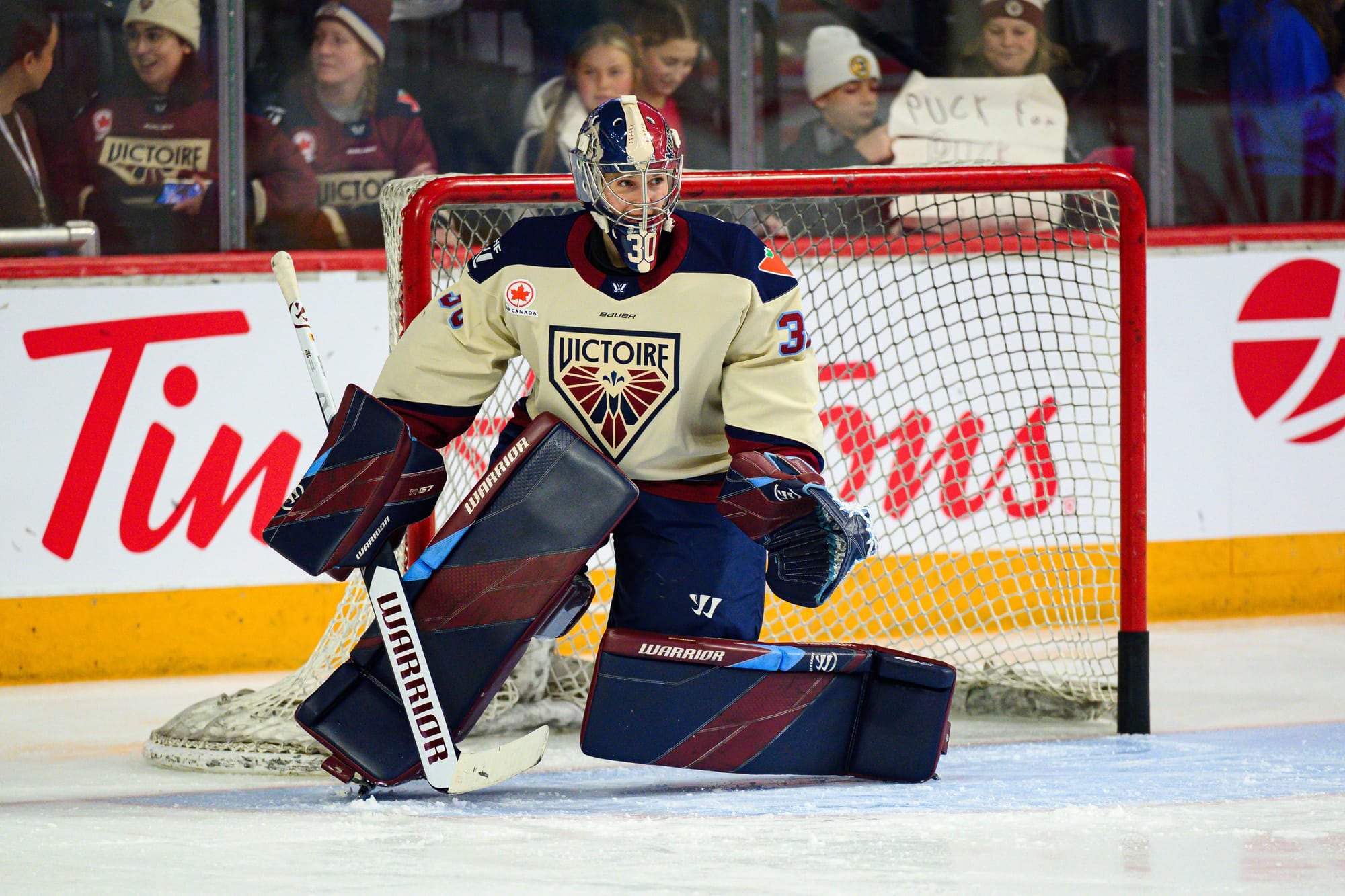
Germany’s chances in Milan run through Abstreiter, and the numbers back it up. She was named Top Goaltender at the 2024 Women’s World Championship, posting a .929 save percentage and one shutout across six games, and has now appeared in four World Championships (2021–24) as Germany’s clear No. 1. Time and again, she’s kept Germany competitive against deeper opponents, including low-scoring losses that underscored how much the team relies on her to manage heavy shot volumes. That role has carried into the professional game, where she’s seeing playing time again in the PWHL this season after spending much of last year on the bench or out of the lineup. Calm, technically sound, and comfortable in high-stress situations, Abstreiter gives Germany a chance to stay in games. If Germany pushes beyond group play in Milan, it will almost certainly be on her shoulders.
Laura Kluge (F, Boston Fleet – PWHL)
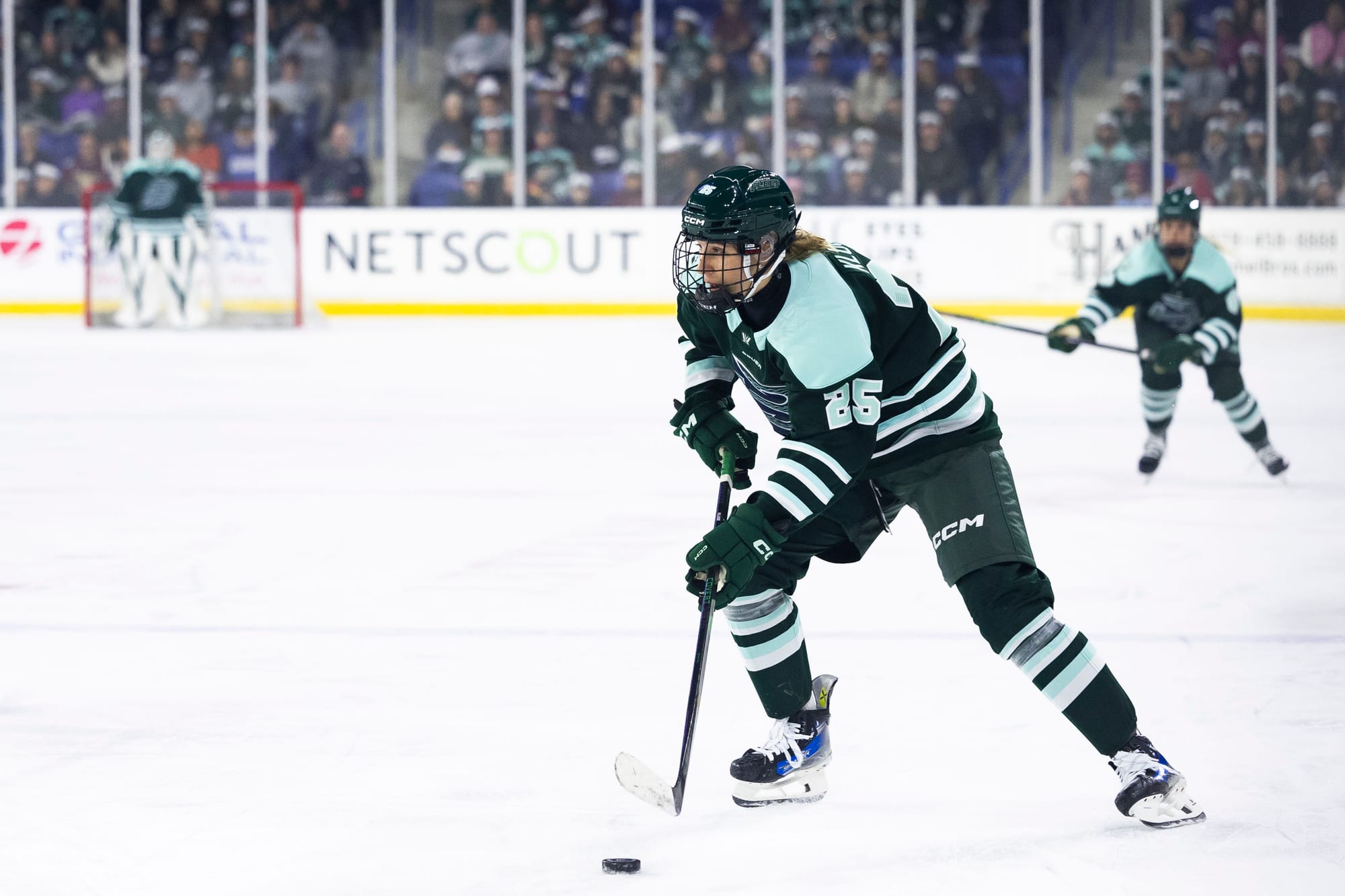
Kluge remains Germany’s most important offensive player. A veteran of eight World Championships (2015, 2017, 2019, 2021–25), this year she passed Julia Zorn to became Germany’s all-time leading scorer at the Women’s World Championship, a milestone that speaks to her role in the program. While her production in the PWHL has been limited this season (one point through 12 games with Boston), Kluge’s value to Germany has never been tied solely to box scores. At the international level, she’s consistently tasked with driving play, handling top matchups, and generating offense in low-event games where chances are scarce. In a tournament where Germany is going to be operating on thin margins, Kluge’s ability to create pressure, draw defenders out of structure, and deliver timely offense will be critical.
What Does Success Look Like?
For Germany, success at the 2026 Olympics looks like advancing to the quarterfinals and remaining competitive once there. Wins against France and Italy are essential, while pushing Japan into a tight contest or stealing a point against a higher-ranked opponent would significantly raise Germany’s ceiling.
Beyond results, Germany will measure success through consistency. Staying disciplined, limiting defensive breakdowns, and maintaining structure against faster teams would signal continued progress. Even a competitive quarterfinal loss would represent a positive step for a program still building toward long-term Olympic relevance.
Predicted Finish
Germany enters Milan as a team firmly in the tournament’s middle tier. A quarterfinal appearance with a finish between seventh and eighth overall feels realistic, with upside dependent on goaltending and execution in group play.
Germany may not arrive as a medal favorite, but they arrive prepared to make themselves difficult to play against, and in an Olympic tournament, that can go a long way.
Comments ()